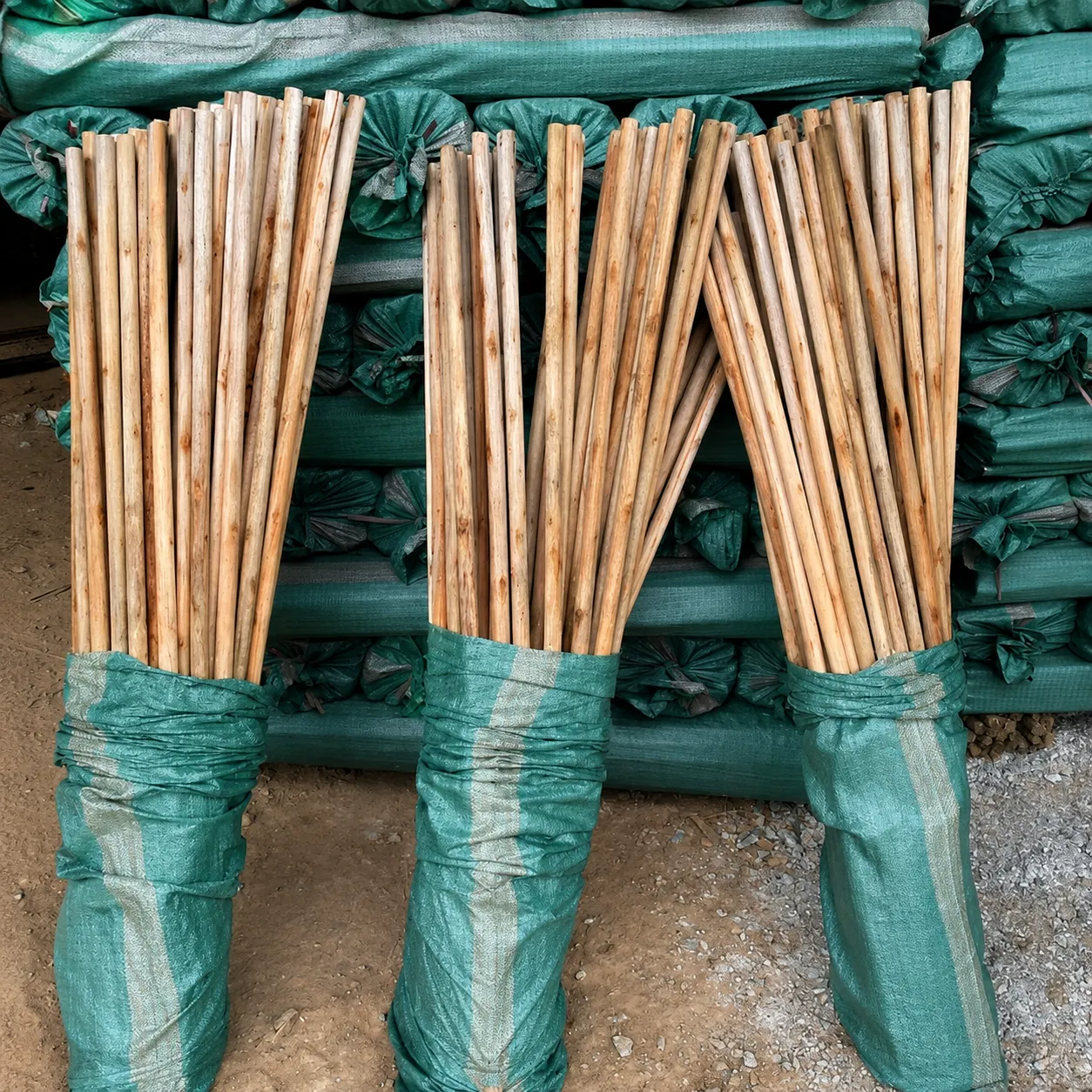
For international procurement managers, commercial distributors, and high-volume hardware importers, building a resilient supply chain relies heavily on raw material stability and manufacturing precision. When sourcing wood components at container scale, minor inconsistencies in timber quality or dimensions multiply into significant commercial losses down the supply chain. Whether your business distributes agricultural tools, commercial cleaning equipment, or industrial supplies, selecting the right manufacturing partner for bulk pine broom handles and specialized pine tool handles is a strategic decision that directly impacts product performance, brand reputation, and bottom-line profitability.
Given the complexities of global maritime trade, international buyers must move beyond surface-level pricing and evaluate suppliers through a rigorous operational framework. Below is an in-depth structural guide detailing how global buyers can audit, evaluate, and select dependable manufacturing partners for long-term wholesale supply.
1. Timber Sourcing and Material Consistency
The core structural integrity of any wooden handle originates at the forest level. High-volume commercial applications require timber that exhibits predictable physical characteristics under continuous load stress. Top-tier manufacturers typically rely on sustainably harvested pine wood grown in managed commercial plantations. Renewable pine offers an exceptional strength-to-weight ratio, making it the globally preferred material for industrial broom handles, mops, and agricultural implements.
When auditing a prospective supplier’s timber supply chain, focus on two critical quality control indicators:
- Grain Alignment: Handles produced from straight-grained timber exhibit superior tensile strength and resistance to bending. Cross-grained wood or handles cut near branch nodes are structurally compromised, leading to severe failure rates during heavy-duty commercial use.
- Strict Moisture Content Control: Raw pine naturally retains high levels of sap and moisture. Premium factories employ computer-controlled kiln drying systems to lower timber moisture content to a precise range of 10% to 14%. Uncontrolled moisture levels result in warped handles, dimensional shrinkage, and catastrophic mold outbreaks inside humid ocean freight containers during 30 to 45-day transits.
2. Manufacturing Precision, Tolerances, and Finishing Standards
In high-speed commercial assembly lines, dimensional uniformity is non-negotiable. Handles must fit seamlessly into standardized plastic caps, threaded metal sockets, or heavy-duty agricultural brackets. A variation of even a few millimeters can cause assembly line stoppages or customer returns.
Leading manufacturers utilize automated double-end shaping machines, precision high-speed routers, and multi-stage sanding lines. Key specifications to verify include:
- Thread Standard Accuracy: Precision cutting of universal thread profiles (such as 3/4-inch Italian threads, USacme threads, or custom taper fits) without loose tolerances or wood fraying.
- Surface Preparation: Multi-stage drum sanding processes remove all surface burrs and rough grain, producing a smooth, splinter-free finish that ensures user safety.
To gain a deeper understanding of how specialized surface treatments, lacquer coatings, and thermal drying protect timber against environmental degradation, review our comprehensive technical guide on the importance of wood treatment and finishing specifications for international markets.
3. Supply Chain Compliance and International Certifications
International trade regulations are increasingly stringent regarding environmental sustainability and biosecurity. Importers face severe legal penalties and customs delays if their timber products fail to meet origin destination standards.
A reliable supplier must provide verifiable chain-of-custody documentation. Look for Forest Stewardship Council (FSC) certification, which confirms that timber is legally harvested from responsibly managed forests. Additionally, compliance with international phytosanitary standards ensures that products pass border inspections without risk of quarantine or forced destruction.
Furthermore, shipping fragile timber products halfway around the world demands specialized export packaging. To examine how proper bundling and heat-treated palletization safeguard cargo during sea transport, consult our detailed resource on logistics and ISPM 15 packaging criteria for importing wooden handles in bulk.
4. Production Capacity and Order Fulfillment Reliability
Even the highest quality handle is useless if supplier delays disrupt your inventory turnover. When vetting a potential factory, analyze their monthly production capacity, raw timber reserve inventory, and container loading capabilities. An established exporter will maintain dedicated quality assurance teams to inspect handles at every stage—from initial timber ripping to final pallet bundling.
Conclusion: Securing Your Supply Chain Partner
Selecting a wholesale manufacturing partner requires balancing technical capability, material quality, and logistical execution. By partnering with a factory that prioritizes moisture control, precision machining, and international compliance, importers can maintain seamless supply chain operations and protect their commercial reputation.
If you are seeking an experienced manufacturing partner to produce high-grade export timber components, explore our full catalog of Premium Wooden Broom Handles designed to meet the rigorous demands of global B2B distribution.